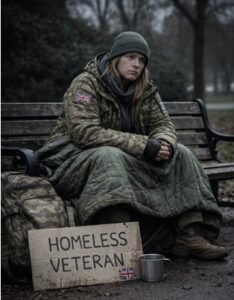
Women who have served in the Armed Forces face distinct and often overlooked challenges when they become homeless or are at risk of homelessness. Although women represent a smaller proportion of the veteran population, their experiences are frequently more complex and less visible.
Hidden Homelessness – Women veterans are less likely to sleep rough and more likely to experience “hidden homelessness” — sofa surfing, staying in unsafe relationships, or moving between temporary accommodation. This means they are often undercounted in official statistics and can struggle to access appropriate support.
If you have an organisation the helps our female veterans and their families then please get in touch we would love to hear from you, so we can support those that need specific support
The Female Veterans Toolkit
The Female Veterans Toolkit is a practical resource designed to help organisations, professionals, and services understand and better support the needs of female veterans in the UK. It’s based on research, co-production, and co-design with women who have served in the armed forces and organisations who support them.
Women veterans deserve housing pathways that are trauma-informed, safe, and responsive to their specific experiences. Homelessness is not just a housing issue — it is a health, safety, and dignity issue.
At Squaddie Box CIC, we recognise that women who have served may require tailored, sensitive support that understands both their military service and their lived reality beyond it.
Trauma and Safety
Many women veterans have experienced:
Military-related trauma – Sexual harassment or assault – Domestic abuse – Relationship breakdown following service
When homelessness occurs, safety becomes a critical issue. Mixed-gender hostels and temporary housing can feel unsafe or retraumatising, which may prevent women from seeking help.
Mental Health and Isolation
Women veterans experiencing homelessness often report:
PTSD and complex trauma, Anxiety and depression, Loss of identity after leaving service and Social isolation
Because public perception still associates military service primarily with men, women veterans may not identify themselves — or be recognised by services — as veterans entitled to specialist support.
Women owned Veteran Help
Breached was borne in 2023 out of passion by its founding directors, Ceri Marsh and Michelle Harding. Breached speaks out for victims of moral injury, ethical injustice and institutional failure.
Ceri and Michelle have first hand personal experiences of moral injury – Ceri through recent events of standing up to corporate collusion and corruption, and, both as daughters of British nuclear test veterans who witnessed the atomic bomb without any protection during the 1950s Commonwealth testing.
The Forcer Protocol is a UK-based, life-saving initiative founded by Claire Lilly to help police rapidly locate missing military veterans, reservists, and serving personnel. It was created following the tragic death by suicide of her former husband, veteran Lance Corporal Alan Forcer, in 2020 after he went missing.
Key Details of The Forcer Protocol:
Purpose: The protocol allows veterans and their families to register crucial information in advance on a secure platform (Safe and Found Online), which police can access immediately if the person is reported missing.
Information Recorded: The profile can include photographs, physical descriptions, medical conditions (including PTSD), and vehicle details to speed up searches.
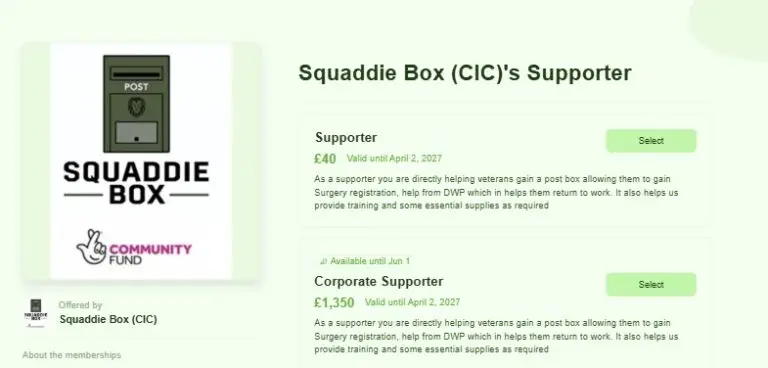
We now have a secure dedicated membership system that will allow one time donations or yearly Membership and subscriptions for Business/ corporate (Strategic Partners please contact Us) who wish to enable Squaddie Box (CIC) to develop it’s services to veterans and Emergency Services.